Do you or someone in your household suffer from allergies? If you’re like most allergy sufferers, you probably check the air quality before heading outside. But what about your indoor air quality? If you find yourself sneezing, sniffling, or dealing with hay fever, your indoor air quality may not be as clean as you think. According to the EPA, indoor air can actually be 2 to 5 times more polluted than outdoor air!
At Masters HVAC Services, our licensed DFW-based HVAC technicians offer a wide range of solutions that significantly improve your home's air quality and relieve allergy and asthma symptoms. Whether your triggers are seasonal or year-round, our solutions can help your family breathe easier.
Key Pollutants That Affect Indoor Air Quality (IAQ) in North Texas
Indoor air quality is very localized and can vary widely from neighborhood to neighborhood. So, depending on where you live in the over 9,200-square-mile Dallas-Fort Worth area, local vegetation, building & development, and weather shifts can affect your allergies. Some of the most common indoor pollutants include:
- Mountain Cedar & Oak Pollen: North Texas is notorious for "cedar fever" in the winter, followed by heavy oak pollen in the spring. These tiny particles hitch a ride on pets and clothing straight into your living space.
- Dust Mites & Fabric Dander: High summer humidity in DFW creates the ideal breeding ground for microscopic dust mites found in rugs, bedding, and furniture.
- Pet Dander: Dried flakes of skin, saliva, and fur from household pets remain suspended in the air for long periods and circulate through ductwork, triggering symptoms.
- Mold & Mildew Spores: Dark, damp areas or improperly maintained AC drain pans can contain mold, releasing spores throughout your home when cool air blows through the vents.
- Volatile Organic Compounds (VOCs): Vapors from household cleaners, paints, carpet adhesives, and cooking fumes stay suspended in the air of tightly sealed home envelopes.
Which Air Conditioning Filters Are Best for Allergy Sufferers?
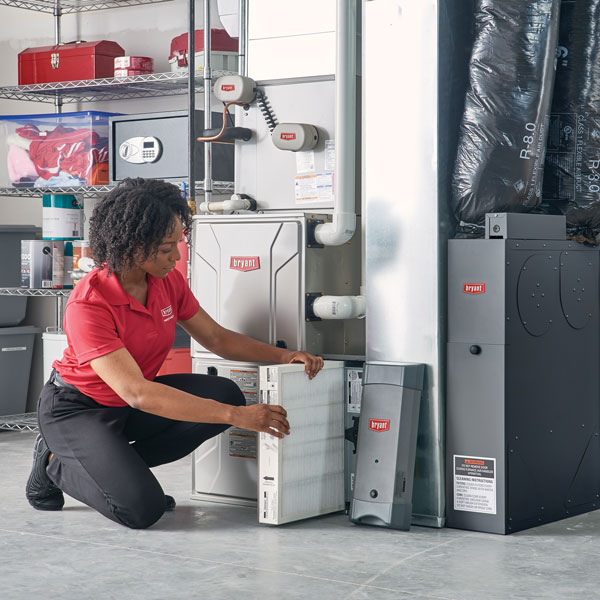
Not all A/C filters are the same. Each filter has a MERV rating (Minimum Efficiency Reporting Value) from 1 to 16 that indicates the filter's effectiveness. The higher the rating, the more pollutants it removes from your indoor air. Here’s a breakdown of the MERV filter ratings:
- MERV 1-4: Captures large debris (3.0 to 10.0 microns) such as pollen, dust mites, and carpet fibers. It provides basic HVAC system protection, but is not recommended for allergy sufferers.
- MERV 5-8: Captures mold spores, hairspray, dust mites, and pet dander. Suitable for standard residential homes with minimal allergy concerns.
- MERV 9-12: Filters fine dust, smoke, and mold spores from the air. It provides superior filtration without restricting system airflow, making it ideal for those with allergies and asthma.
- MERV 13-16: Traps bacteria, tobacco smoke, viruses, and micro-pollutants. Ideal for individuals with severe allergies or asthma. *Check with your HVAC technician before use to ensure your system’s blower can handle the increased airflow resistance.
Replace your filter regularly for maximum effectiveness. Regular filter changes not only maintain higher IAQ and help you feel better, but also help your HVAC system run more efficiently.
Advanced Solutions That Boost IAQ
When standard filter changes aren't enough to remove severe allergy triggers, adding dedicated HVAC accessories gives your home total air purification support:
Whole-Home Air Filtration Systems & Purifiers
Unlike portable room purifiers, whole-home air filtration systems are installed directly into your central HVAC ductwork. Systems using UV Air Germicidal Lights or iWave Needlepoint Bi-Polar Ionization actively neutralize viruses, bacteria, VOCs, and mold spores as air passes through your vents.

Whole-Home Dehumidifiers & Humidifiers
Maintaining proper indoor humidity levels (ideally between 30% and 50%) is critical in North Texas.
- Whole-Home Dehumidifiers: Prevent mold growth and dust mite proliferation during muggy DFW summers.
- Whole-Home Humidifiers: Prevent dry nasal passages and irritated airways during cold winter snaps when heating dries out indoor air.
How to Improve Your Indoor Air Quality in The DFW Metroplex
What’s your home’s IAQ? Masters HVAC Services are the seasoned professionals North Texas households with allergies have trusted for over three decades. Ready to boost your indoor air quality? Call or complete our short online form today for a free consultation! We proudly serve Irving, Frisco, McKinney, Bedford, Euless, Grand Prairie, and surrounding DFW Metroplex communities. Your Home. Your Comfort. Our Priority.